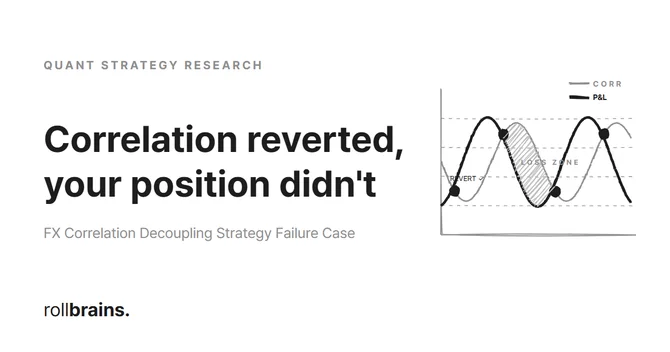
Tested, current writeups on AI tools traders and builders actually use.
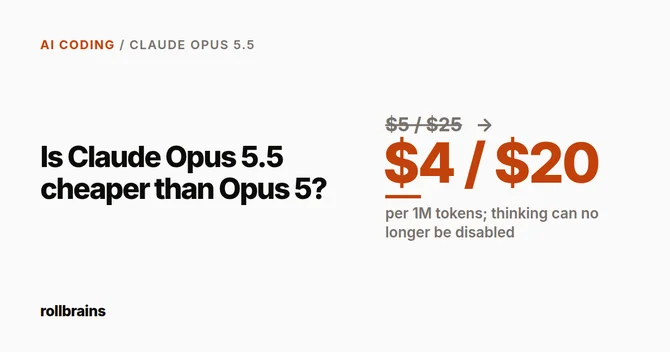
Claude Opus 5.5 list price of $4 input and $20 output per million tokens, down from $5 and $25 on Opus 5
AI Coding

Claude Opus 5.5 Pricing vs Opus 5: Costs, Savings and the Thinking-Token Break-Even

Opus 5.5 lists 20% below Opus 5 and cuts cache reads by 60%, and thinking can no longer be switched off. This post calculates the cost of three workloads from Anthropic's price list and the output increase at which the saving disappears.

September 28, 2026 · 8 min · Steve
Read the analysis →

Charts & Backtest

Charting tools and backtest research — AI copilots for TradingView, Pine Script v6, and the measured failure modes of backtesting.

View all →
The Backtest Autopsy

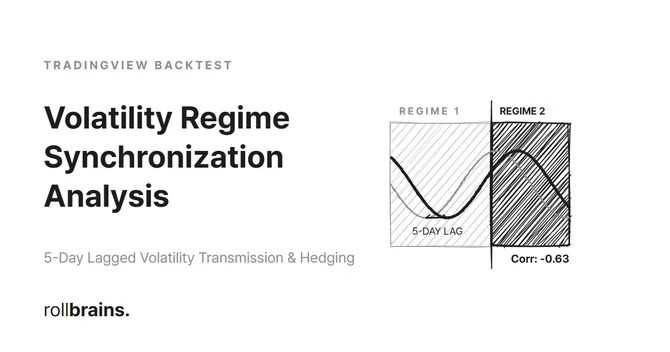
Is Buying Corn Futures Safe When Stocks Crash? Statistical Hedging Timing Analysis

We re-verified the claimed NDX-to-Corn lagged volatility transmission with two-stage DCC-GARCH on 6,467 trading days (2000–2026). Cross-correlations are flat at +0.07 to +0.09 at every lag, the original GARCH table traces to a pipeline error, and the corrected conclusion is a negative result — no hedge-timing signal.

May 25, 2026 · 9 min · Steve

AI Coding

Real-world AI coding tools and model news — tested, current, and honest about limits.

View all →

MCP

Model Context Protocol (MCP) — deep architectural dives, specs, and real GEO strategy.

View all →
MCP

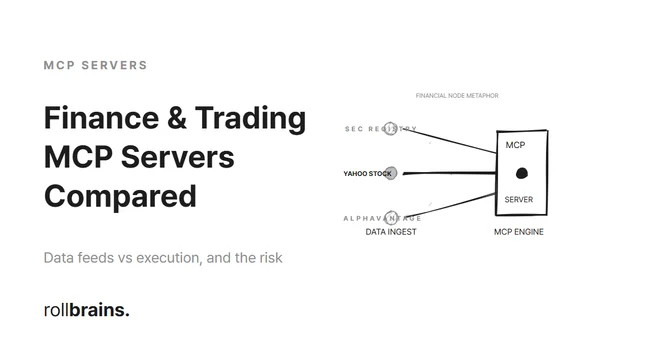
Finance and Trading MCP Servers, Compared (2026)

Finance MCP servers let Claude, Cursor, and TradingView Remix pull market data or place trades by natural language. They split into data feeds and execution servers. A neutral, plan-by-plan comparison of the real options in 2026, plus the two risks vendor lists skip.

May 22, 2026 · 9 min · Steve
MCP

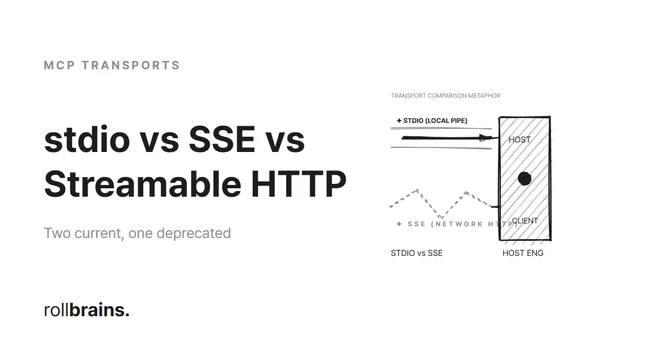
MCP Transports Compared: stdio vs SSE vs Streamable HTTP (2026)

MCP servers talk to Claude, Cursor, and VS Code over stdio, HTTP+SSE, or Streamable HTTP. Two are current, one is deprecated with 2026 removal deadlines. A neutral comparison of what each does, when to use it, and the failure mode that trips people up.

May 22, 2026 · 4 min · Steve
MCP

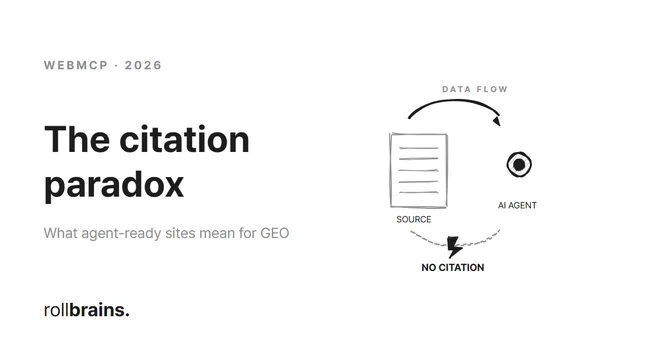
WebMCP and the Citation Paradox — What Agent-Ready Websites Actually Mean for GEO

WebMCP lets a website expose tools that AI agents call directly, and Chrome 149's origin trial (Google I/O 2026) makes it testable on real traffic. But the popular claim that WebMCP forces agents to cite your URL is wrong. Here's what the W3C draft actually says, and what it really changes for citations and referral traffic.

May 21, 2026 · 12 min · Steve
Quant Strategy Research

A centralized repository of systematic and quantitative trading strategy research. Focused on exposing statistical biases, transaction friction drags, and structural limitations.

View all →
Quant Strategy Research

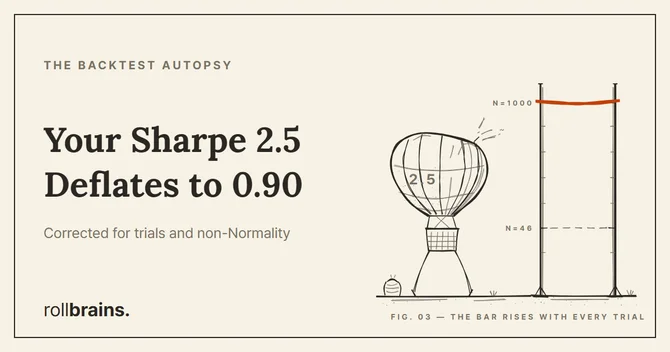
The Deflated Sharpe Ratio: Why a 2.5 Sharpe Can Still Be Statistical Noise

A backtest Sharpe of 2.5 can carry a Deflated Sharpe Ratio of just 0.90 — failing the 95% confidence bar — once you correct for how many strategies were tried and how non-Normal the returns are. We walk through the Bailey & López de Prado formula, the worked example, and the code.

June 9, 2026 · 9 min · Steve
Quant Strategy Research

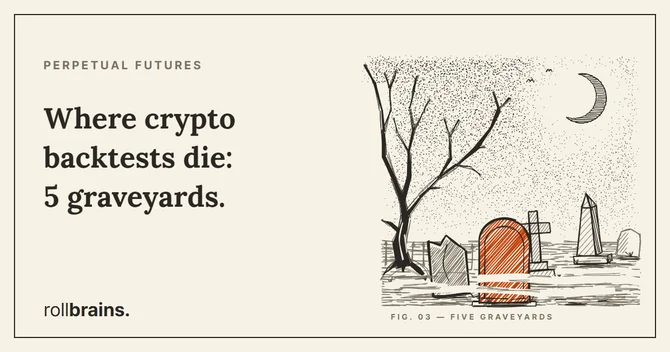
The 5 Graveyards of Crypto Backtesting

Five ways a crypto perpetual-futures backtest lies. Two are crypto-specific—funding drag and data gaps—and fixed here in this methodology guide.

June 4, 2026 · 10 min · Steve